


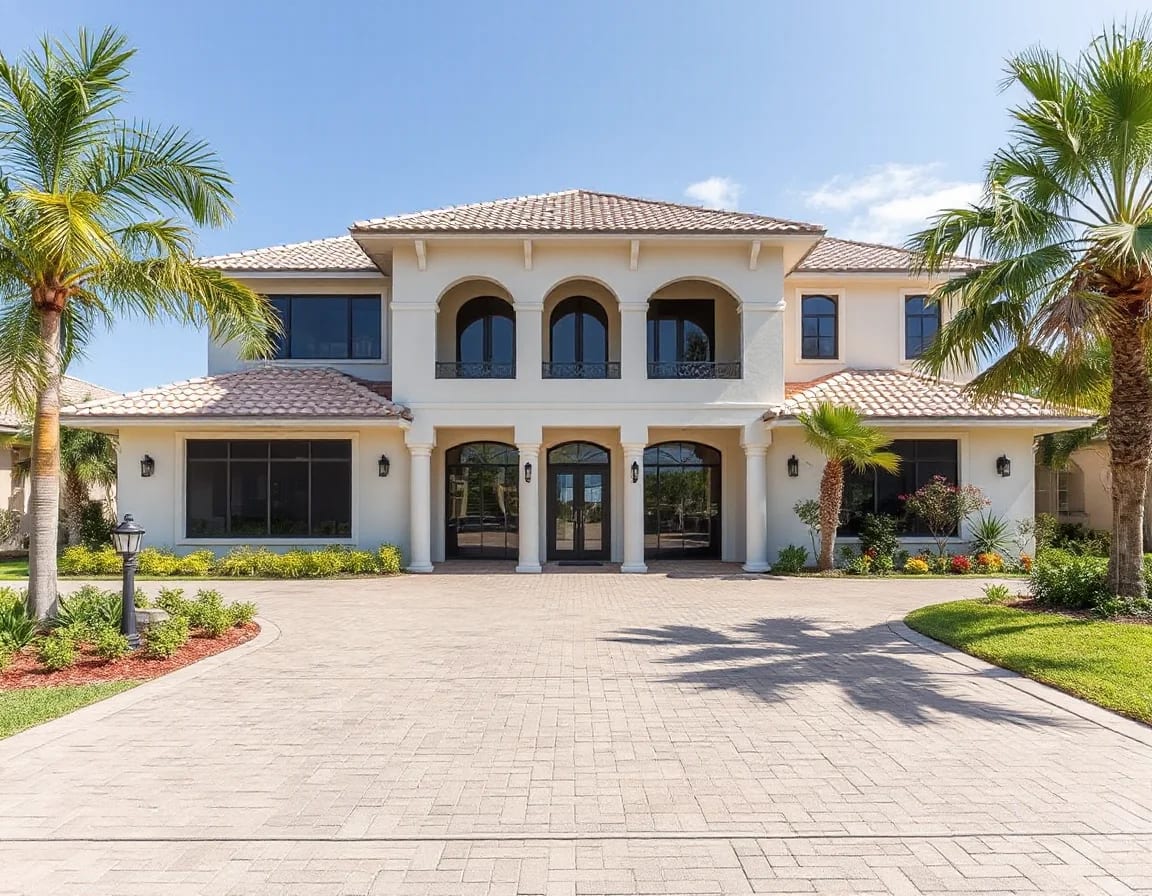
Hurricane readiness is not one feature—it is a practical system of roof, openings, drainage, power planning, and documentation working together. When comparing Naples homes, looking beyond finishes and square footage can help buyers understand maintenance priorities, insurance questions, and long-term ownership costs. Sellers can use the same checklist to prepare their property for more confident conversations.
Start with the Roof and Its Paper Trail
In Naples, a home’s roof often becomes one of the first hurricane-season discussion points because it affects both day-to-day protection from the elements and the questions an insurer may ask. The most useful detail is not simply whether the roof looks tidy from the street, but its age, material, permit history, maintenance records, and the condition of visible components such as flashing, vents, gutters, and roof-to-wall connections. A newer roof can be an important feature, but documentation helps put that feature in context.
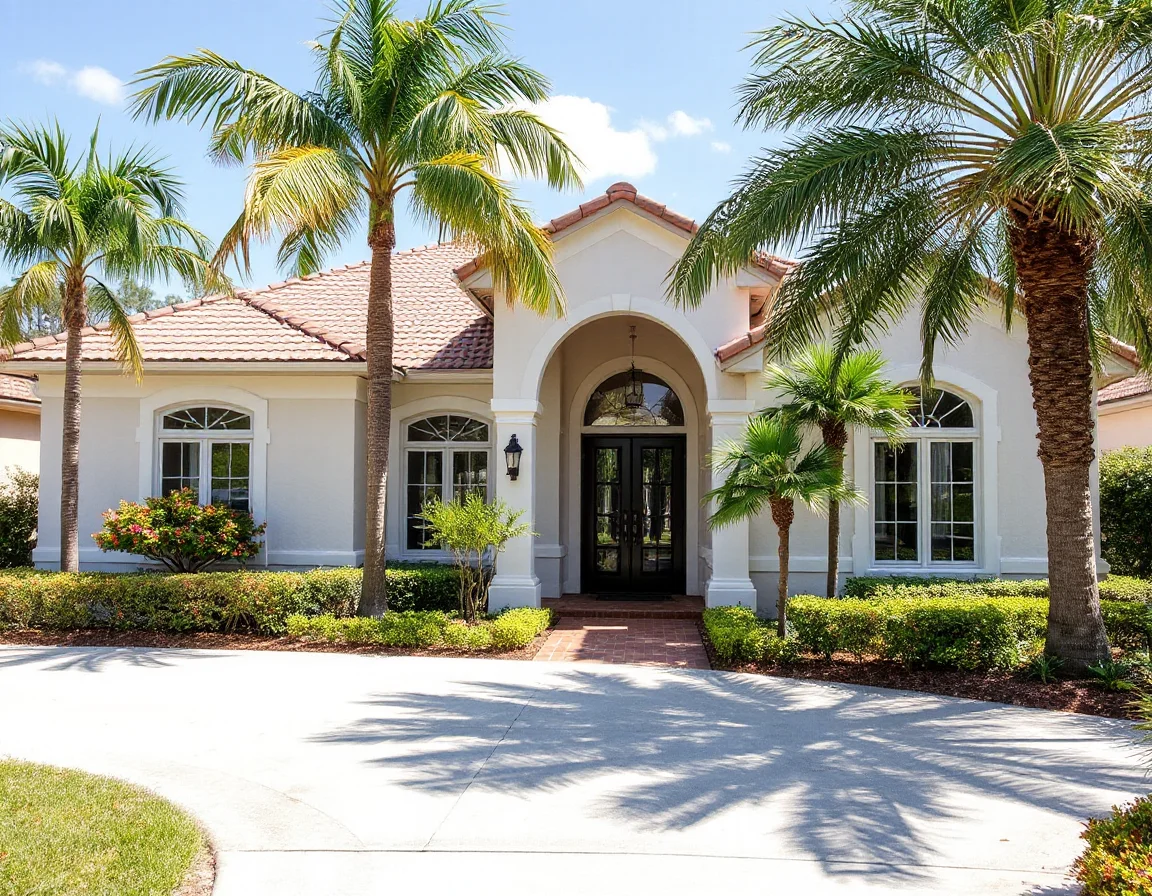
Feature No. 1: A documented roof replacement or inspection history. Ask for the year of installation, contractor information, transferable warranties if applicable, and copies of permits or invoices. These records can be useful when buyers are gathering insurance estimates and when owners are planning future maintenance. A professional inspection remains the best way to understand current condition; listing disclosures and seller records are helpful starting points, not substitutes for an inspection.
Feature No. 2: Strong roof attachment details. Wind mitigation inspections commonly evaluate items that are not obvious during a casual showing, including roof geometry and the connection between the roof structure and walls. Homes built or substantially updated under newer building standards may have features designed for stronger wind resistance, but the specifics should be confirmed by a qualified inspector. This is one of the reasons a wind mitigation report can be especially valuable in a Florida purchase.
A roof’s age is only part of the picture. Permits, repair invoices, wind mitigation details, and a recent inspection can provide a much clearer view of a home’s hurricane-season maintenance story.
For sellers, gathering this paperwork before listing can make it easier to answer practical questions without guessing. For buyers, it can help separate a cosmetic roof upgrade from a well-documented improvement. In a market where insurance options and premiums can vary by property, organized records are often as helpful as the upgrade itself.
Look Closely at Windows, Doors, and Exterior Openings
Once the roof has your attention, turn to the openings in the home. Windows, exterior doors, garage doors, lanai enclosures, and shutters all play different roles when wind and wind-driven rain arrive. Naples homes can have a wide range of setups, from impact-rated windows and doors to removable panel systems, accordion shutters, roll-down screens, or a combination of several approaches.

Feature No. 3: Impact-rated windows and doors. Impact-rated products are designed and tested to meet specific standards, but buyers should verify what has actually been installed rather than relying on a broad description. Look for permits, product approvals, labels where visible, and invoices. It is also worth confirming whether all openings are protected or whether only selected windows and doors have been upgraded.
Feature No. 4: A complete, usable shutter system. A property with shutters can offer a practical preparation option, but completeness and usability matter. Are panels available for every opening? Is the hardware organized and labeled? Are accordion shutters operating smoothly? Does the owner have the crank, keys, or fasteners needed for the system? These details are easy to overlook during a showing and much more important when preparation time is limited.
Feature No. 5: A reinforced or updated garage door. Garage doors cover a large opening and deserve close attention in a hurricane-readiness review. Ask about the door’s age, wind rating, bracing system, permit records, and maintenance history. If a home has a garage, the inspection period is a good time to have the door and its tracks, rollers, seals, and automatic opener evaluated by appropriate professionals.
Exterior doors deserve the same careful look. A solid entry door, properly functioning locks, weatherstripping, threshold seals, and a well-maintained sliding door track can all support everyday comfort while helping reduce opportunities for water intrusion. Small maintenance items rarely make a listing headline, yet they can make ownership easier during Florida’s rainy season.
Drainage, Elevation, and Outdoor Systems Matter Too
Hurricane preparation does not end at the exterior wall. Water management around the property can be just as important to understand, particularly in a coastal community where heavy rainfall may accompany tropical weather. A home’s lot, landscaping, gutters, downspouts, swales, drainage inlets, and nearby water features all shape how rain moves across the property.

Feature No. 6: Thoughtful drainage and maintained landscaping. Look for signs that water has a clear place to go: clean gutters, extended downspouts where appropriate, grading that directs runoff away from the structure, and drainage areas free of obvious debris. Mature landscaping is part of Naples’ visual appeal, but large trees and palms also require regular care. Owners may want to ask a qualified arborist about pruning schedules and the condition of larger plantings near the roof, pool enclosure, or power lines.
Feature No. 7: A realistic backup-power plan. A permanent generator is one option, but it is not the only useful preparedness feature. Some homes have transfer switches, inlet connections, battery backups, surge protection, or clearly documented portable-generator plans. If a generator is present, ask about fuel type, service records, permits, transfer equipment, and maintenance requirements. Never assume a system is ready to operate without professional review and clear operating instructions.
Pool and lanai areas also deserve a walk-around. Check screen enclosures, roof panels, drainage around the deck, pool equipment placement, and the condition of outdoor furniture storage options. A well-maintained lanai is a valuable part of Florida living, and a practical plan for securing movable items can reduce last-minute preparation tasks.
Make Hurricane Readiness Part of Your Due Diligence
There is no single feature that guarantees how a property will perform in every storm. Weather events vary, home conditions differ, and insurance requirements can change. The goal is to understand the home’s existing systems, identify questions for qualified inspectors and insurance professionals, and budget for any maintenance or upgrades that fit your plans.
During a purchase, consider requesting available permits, wind mitigation reports, four-point inspection information, roof records, elevation-related documents when applicable, and receipts for major improvements. During a sale, assembling those materials in advance can help present a clear and accurate property history. The strongest hurricane-season story is not dramatic—it is organized, specific, and supported by records.
If you are considering a Naples move or preparing a property for the market, focus on the fundamentals: roof condition, protected openings, garage-door details, drainage, landscape maintenance, and power planning. Those features may not be as immediately visible as a renovated kitchen or a pool view, but they can shape how confidently an owner approaches each hurricane season.