


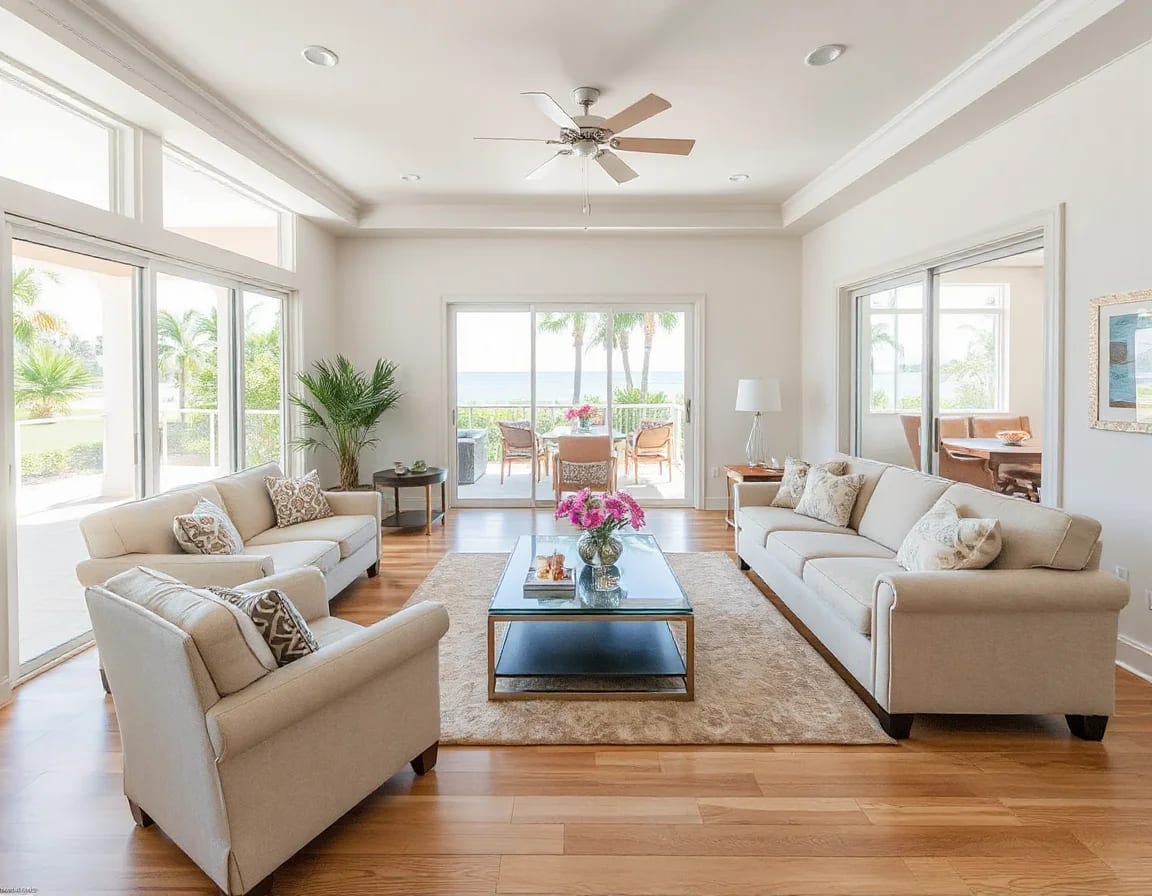
A successful Southwest Florida sale begins well before a listing goes live. From pricing and property preparation to showing plans and offer review, a clear sequence can help sellers present their home with confidence and make informed decisions in a changing local market.
Start With a Practical Selling Strategy
Putting a home on the market is part preparation, part presentation, and part timing. In Southwest Florida, buyers often compare a wide range of properties across Naples, Bonita Springs, Estero, Fort Myers, and nearby communities, so it helps to begin with a realistic view of current competition. Before choosing a list price or scheduling photography, review recent comparable sales, active listings with similar features, and pending properties that indicate where buyer demand is landing.
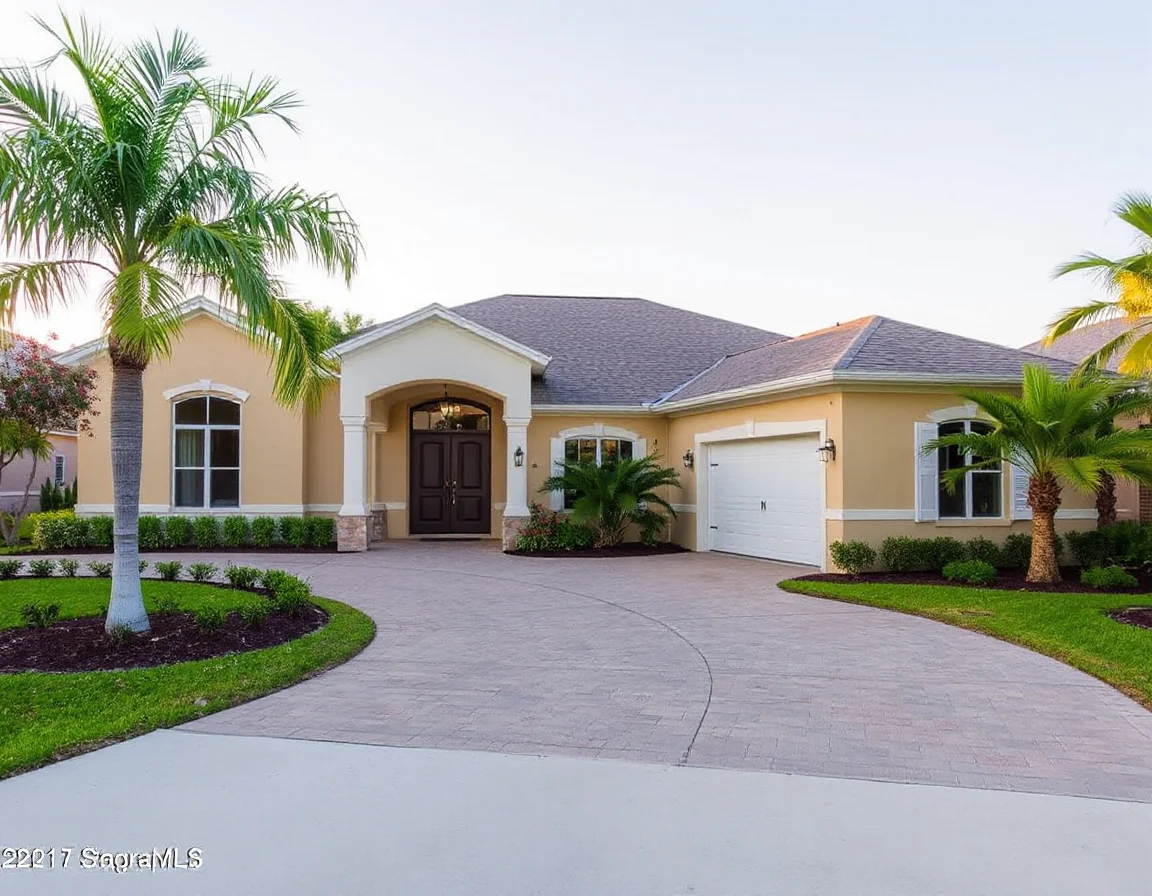
Price is a positioning decision, not simply a number. A home priced well in relation to similar available properties can generate stronger early attention, while a price that does not reflect condition, location, updates, or current inventory may require more adjustments later. Focus on the features a buyer can compare easily: living area, bedroom and bathroom count, lot or water orientation where applicable, community fees, roof age, upgrades, and overall maintenance.
It is also wise to decide what a successful outcome looks like before the first showing. Your priorities may include sale timing, net proceeds, flexibility around closing, leaseback options, or the ability to coordinate a purchase elsewhere. Sharing those priorities early helps shape the marketing plan and makes later offer comparisons more straightforward.
The first several weeks on market are especially important: a polished presentation, complete property details, and a well-supported price give buyers a clear reason to schedule a showing rather than wait for the next listing.
Gathering documents early can reduce last-minute stress. Depending on the property, this file may include a survey, utility information, warranties, permits for improvements, roof or HVAC records, HOA or condominium documents, flood insurance details, and recent repair receipts. A buyer may still complete their own due diligence, but organized information communicates that the home has been thoughtfully maintained.
Prepare the Property for Photos and Showings
Small improvements often make a meaningful visual difference. Start outside, where buyers form their first impression: trim landscaping, clear walkways, pressure-clean hard surfaces when needed, refresh mulch, and make sure house numbers and exterior lighting are visible. Southwest Florida’s bright daylight can highlight both a home’s best features and deferred maintenance, so a careful exterior review is worthwhile.
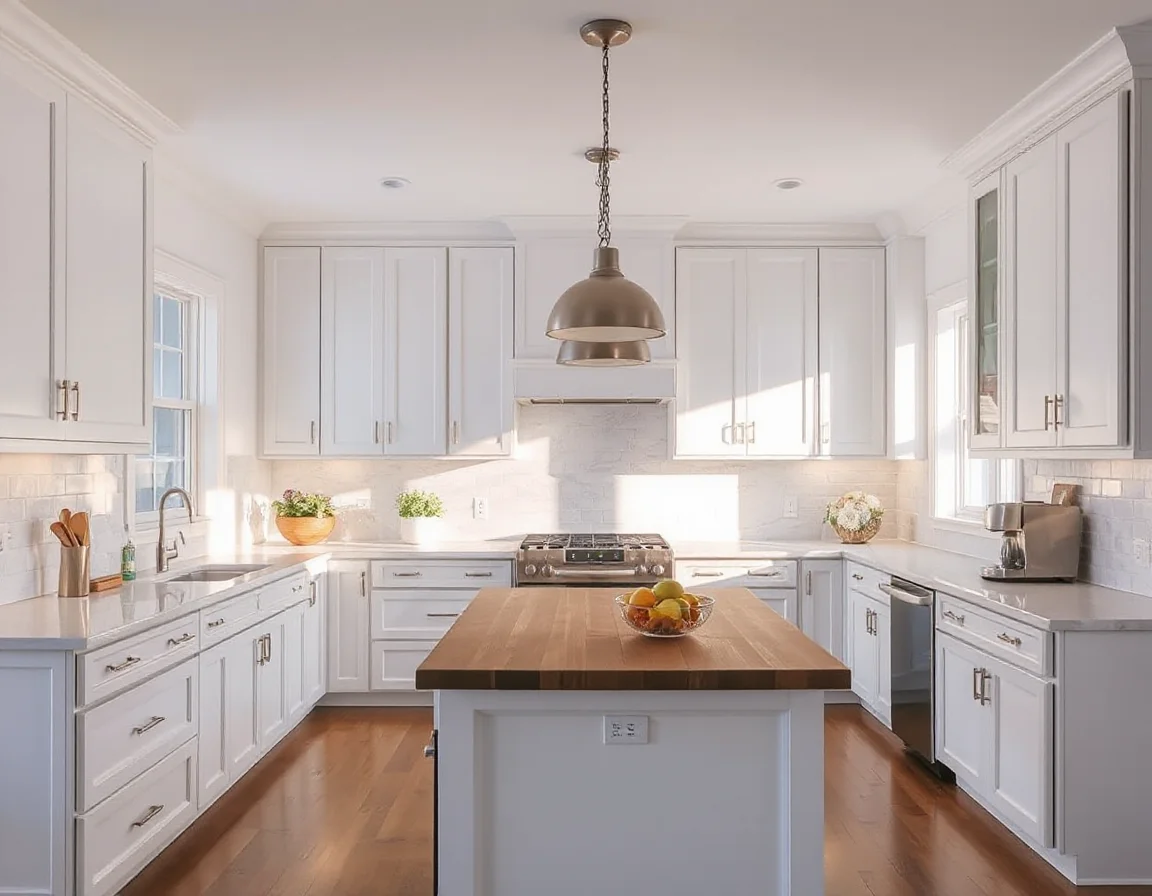
Inside, aim for clean, open, and easy-to-photograph spaces rather than a complete renovation. Remove excess furniture that interrupts the flow of a room, clear kitchen counters, store personal paperwork and valuables, and replace burned-out bulbs. Neutral bedding, fresh towels, and a tidy laundry area can help every room feel finished. If a room has an unusual purpose, staging it in a recognizable way—such as an office, dining area, or flex space—can help visitors understand the layout.
Florida-specific maintenance deserves special attention. Check screens, sliders, exterior doors, ceiling fans, irrigation controls, air-conditioning filters, and visible caulking around wet areas. If the property has a pool, lanai, dock, shutters, or outdoor kitchen, make each feature accessible and presentable. These elements can be important parts of a home’s appeal, but they are most effective when they look ready to enjoy and are accompanied by clear maintenance information.
Professional photography and a thoughtful listing description should tell the same story. Images can spotlight natural light, outdoor living areas, storage, updated finishes, and the relationship between rooms. The written description should be accurate and useful, explaining key features without overpromising. If there are community amenities, fees, rules, or access details that affect ownership, make sure they are presented clearly and consistently.
Before photography, walk through the home at the time of day when it receives its best natural light. Open shades, turn on interior lamps, and remove temporary items from patios, counters, and bathrooms.
Create a Showing Plan That Is Easy to Maintain
A good showing plan balances access with day-to-day practicality. Buyers may have limited time in the area, especially when coordinating travel, inspections, or multiple property tours. Keeping the home generally ready for showings can make it easier to respond when interest arrives. Establish a simple routine: dishes put away, counters cleared, blinds adjusted, pet supplies stored, and lights available to be turned on before an appointment.
For occupied homes, it can be helpful to identify a few easy storage zones for items that need to disappear quickly. A lidded basket, a designated closet, or a vehicle can be useful for everyday items that do not need to appear in listing photos or showings. The goal is not to make the home feel impersonal; it is to give visitors room to notice the layout, finishes, storage, and outdoor spaces.
Showings also offer feedback. Comments about price, condition, layout, or comparable properties should be reviewed as a pattern rather than treated as a verdict from a single visitor. If several buyers raise the same concern, it may point to an opportunity to improve the presentation, clarify listing details, address a repair, or revisit the pricing strategy.
Review Offers Beyond the Headline Price
An offer includes more than the purchase price. Compare financing type, earnest money, inspection and financing contingencies, closing date, requested concessions, included personal property, and any obligations connected to a homeowners’ association or condominium. A higher price may not always create the strongest overall result if the offer has uncertain financing, extended contingency periods, or terms that do not align with your timeline.
Inspection negotiations are another point where preparation helps. No home is entirely without maintenance needs, and buyers may request repairs, credits, or additional documentation after inspections. Having records on major systems and recent improvements can bring useful context to those conversations. Consider the cost, timing, and likelihood of a requested item before deciding whether to repair, credit, or stand by the home’s current condition.
As closing approaches, keep utilities active, complete agreed-upon repairs, preserve receipts, and confirm the property remains in the agreed condition. A final walkthrough is typically an opportunity for the buyer to verify that negotiated work is complete and that included items remain in place. Clear communication and organized records can help the final steps move smoothly.
Every sale has its own timeline, property condition, and market context, but the fundamentals remain reliable: prepare carefully, present honestly, price with current data, and evaluate each offer in full. With a focused plan, Southwest Florida sellers can move from the first market conversation to closing with fewer surprises and a stronger sense of control.