


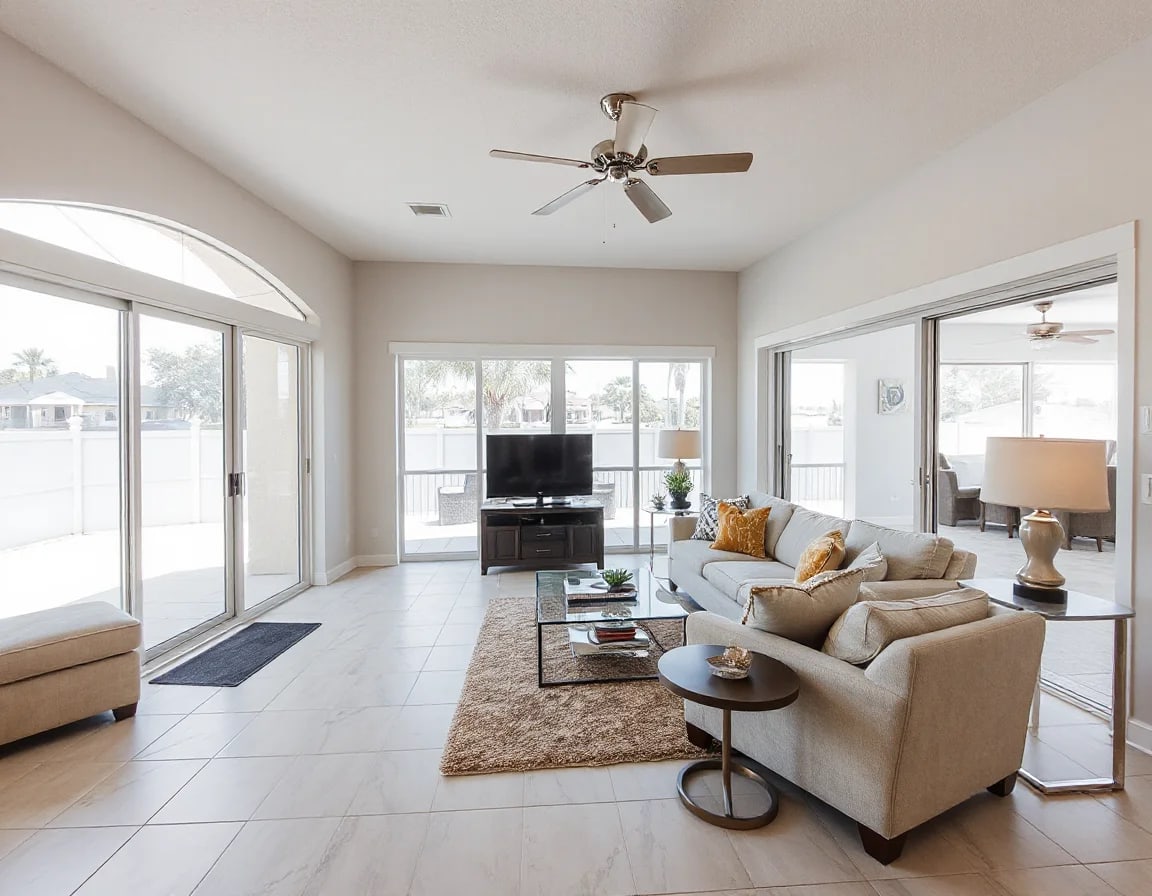
A home valuation is more than a quick number pulled from recent sales. In Southwest Florida, waterfront proximity, insurance considerations, community features, condition, and changing inventory can all shape how a property is positioned. A thoughtful valuation gives homeowners a clearer starting point for selling, refinancing, planning a move, or simply understanding their equity.
Why a Local Valuation Starts With Context
It is easy to find an automated estimate online, but a useful home valuation requires a closer look at the property and the market around it. Southwest Florida includes a broad range of housing styles and locations, from condos and townhomes to inland single-family homes, golf-oriented communities, waterfront residences, and newer construction. Two homes with the same bedroom count and similar square footage can perform very differently depending on their layout, updates, lot position, community structure, and nearby amenities.
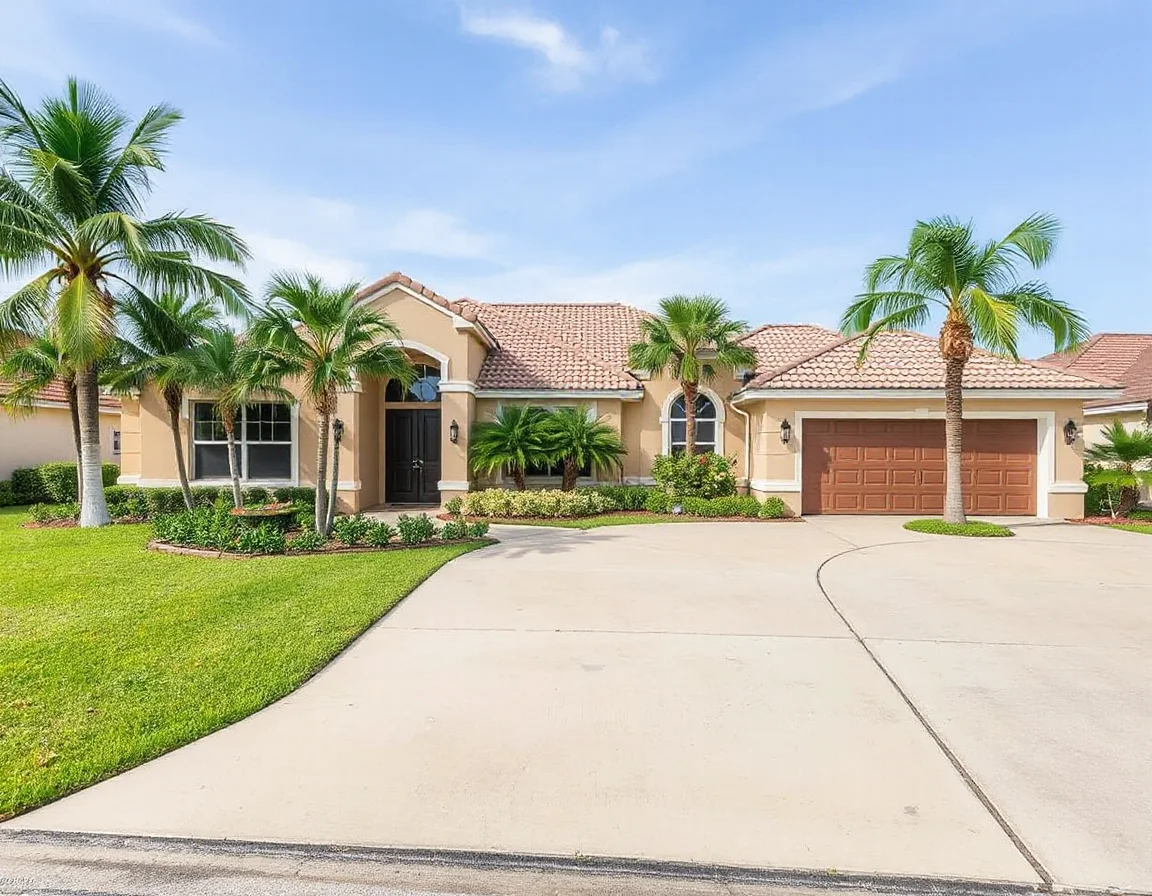
A strong valuation begins by identifying the details that make a home comparable to other properties—not merely similar on paper. Recent renovations, a screened lanai, pool condition, water view, garage configuration, outdoor living areas, and interior maintenance can affect buyer interest and pricing strategy. For condominium properties, monthly fees, reserves, rental rules, building updates, and amenities may also matter. The goal is to create a picture that reflects the home as it exists today.
Market timing belongs in that picture as well. The number of active listings, pending contracts, price adjustments, and recent closed sales helps reveal whether buyers have abundant choices or are moving quickly on well-prepared homes. A valuation should consider both closed sales, which show where transactions have occurred, and current competition, which shows what a prospective buyer will see during a search.
The most helpful pricing conversations compare a home with recently sold properties and with the listings competing for attention right now.
That does not mean a valuation is a promise of a final sale price. Instead, it is an informed range and a decision-making tool. It can help a homeowner weigh improvements, estimate net proceeds, decide whether to list now or later, and prepare for a conversation with lenders, contractors, or other professionals. Clear expectations at the beginning often make every later decision easier.
The Property Details That Can Influence Value
Before requesting a valuation, it helps to gather a few practical details. Basic information such as the year built, square footage, bedroom and bathroom count, lot size, and community name provides a useful foundation. From there, the condition of the property matters. A roof replacement, updated HVAC system, impact-resistant windows, refreshed kitchen, renovated bath, or newer flooring may influence how the home compares with nearby alternatives.
In Southwest Florida, outdoor spaces deserve attention, too. A covered patio, pool enclosure, landscaped yard, dock access, preserve view, or lake view can shape how a buyer sees the overall property. These features should be described accurately and paired with the right comparable homes. A larger home without certain outdoor features may not be a true match for a smaller property with a carefully maintained pool area and an inviting lanai.
Homeowners should also note features that may require explanation. Deferred maintenance does not automatically prevent a sale, but it can influence the price range, negotiation expectations, and buyer pool. Being upfront about the age of major systems, visible repairs, insurance-related documentation, or association requirements allows the valuation process to be more realistic from the start.
Documentation can add helpful context when available. Permits, invoices, warranties, inspection reports, surveys, and association documents can clarify improvements and property details. Not every item will directly add dollar-for-dollar value, but organized information may help support a more complete understanding of the home. It can also reduce last-minute scrambling when preparing for a listing or responding to questions during a transaction.
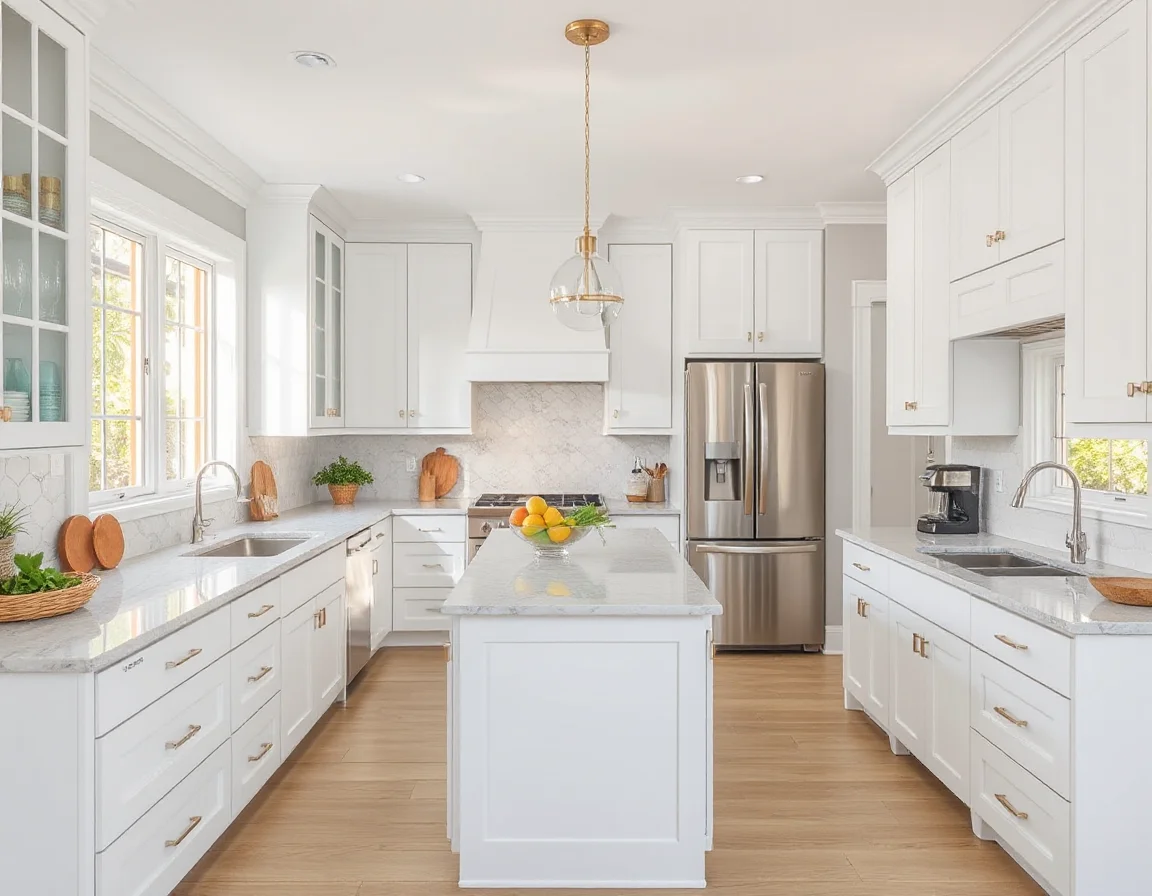
Personal style is another important distinction. Fresh paint, clean surfaces, thoughtful staging, and well-maintained landscaping can make a property feel more polished in photos and showings. Those presentation choices are different from structural or location-based value drivers, but they can still affect first impressions and the level of interest a listing receives.
How to Use Your Valuation With Confidence
A valuation can support many decisions beyond an immediate sale. Some homeowners request one before purchasing another property, while others use it to evaluate a remodeling plan, review long-term financial goals, or understand how their home compares with recent neighborhood activity. Whatever the reason, it is best to view the result as a current market snapshot rather than a permanent figure. Real estate conditions can shift as inventory, interest rates, seasonal activity, and local demand change.
If selling is part of the plan, ask for a pricing discussion that goes beyond one recommended list price. A useful conversation addresses the likely price range, potential preparation steps, current competition, likely buyer questions, and the tradeoffs between testing a higher price and launching with a more competitive position. The right strategy depends on the property, the timeline, and the level of certainty the homeowner wants.
It is also wise to keep the conversation grounded in objective information. Comparable sales should be recent and genuinely relevant; active listings should be evaluated for condition and location as well as price; and any adjustments should have a clear rationale. The more transparent the process, the easier it is to understand the recommendation and decide what feels right for your situation.
Free State Florida Homes offers a Florida-focused starting point for homeowners seeking a more personal view of their property’s market position. Whether you are considering a sale in the near future or simply want an informed baseline, a valuation can turn broad market headlines into information that is more meaningful for your home.
Start a conversation about your Southwest Florida home
The best next step is simple: share the essentials, ask questions, and use the resulting valuation as a planning tool. With clear property details and a careful review of local comparables, you can approach your next real estate decision with greater confidence and a better understanding of the options in front of you.