


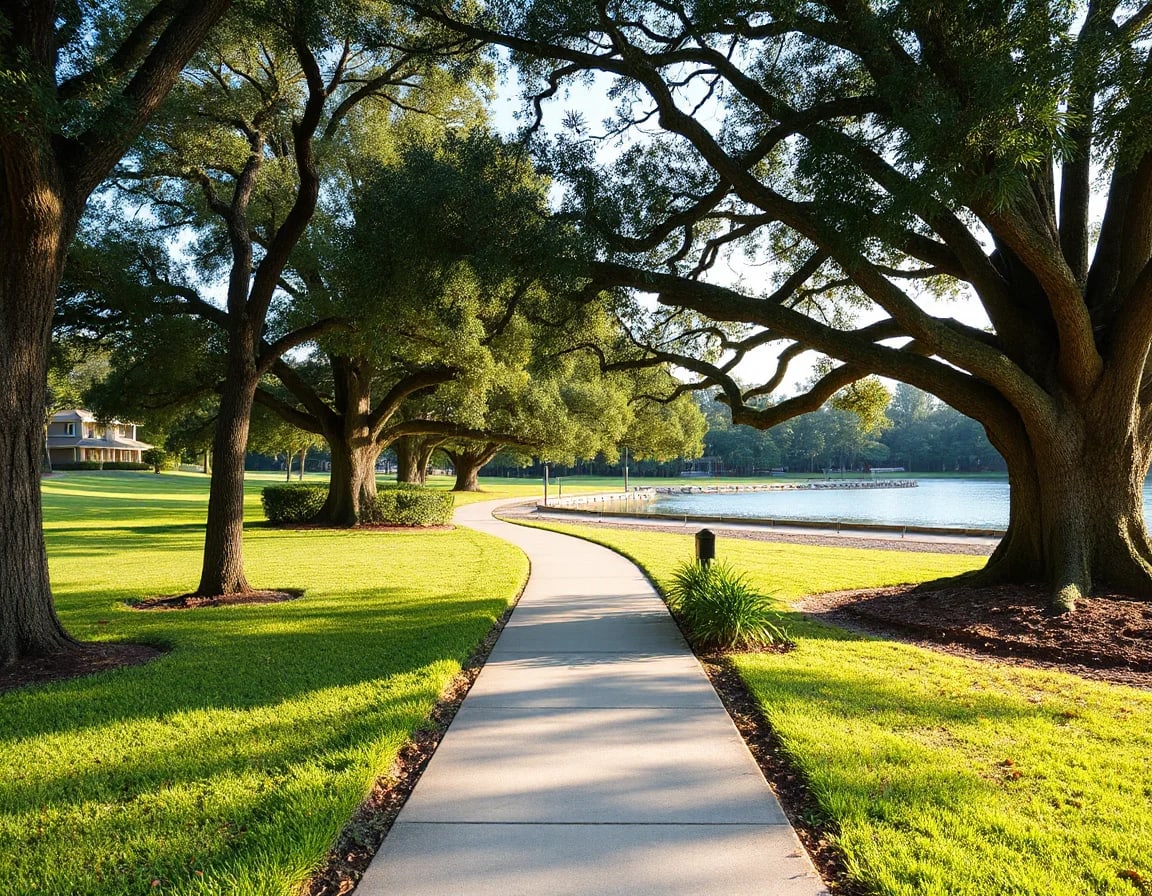
The view from a home can shape far more than a first impression—it can influence how mornings begin, how outdoor space is used, and what feels restorative at the end of the day. In Estero, lakefront, golf, and preserve settings each offer a distinct visual rhythm, maintenance consideration, and connection to the surrounding landscape. The best choice is the one that fits the way you want to spend time at home.
Start With the Rhythm You Want at Home
Choosing between a lakefront, golf, or preserve view in Estero is less about finding one “best” backdrop and more about identifying the setting that supports your everyday routine. A view can change the experience of a screened lanai, influence the amount of light entering a living room, and create a natural focal point from a kitchen, great room, or primary suite. It can also affect privacy, activity levels beyond the property line, and the kinds of outdoor moments a home makes possible.
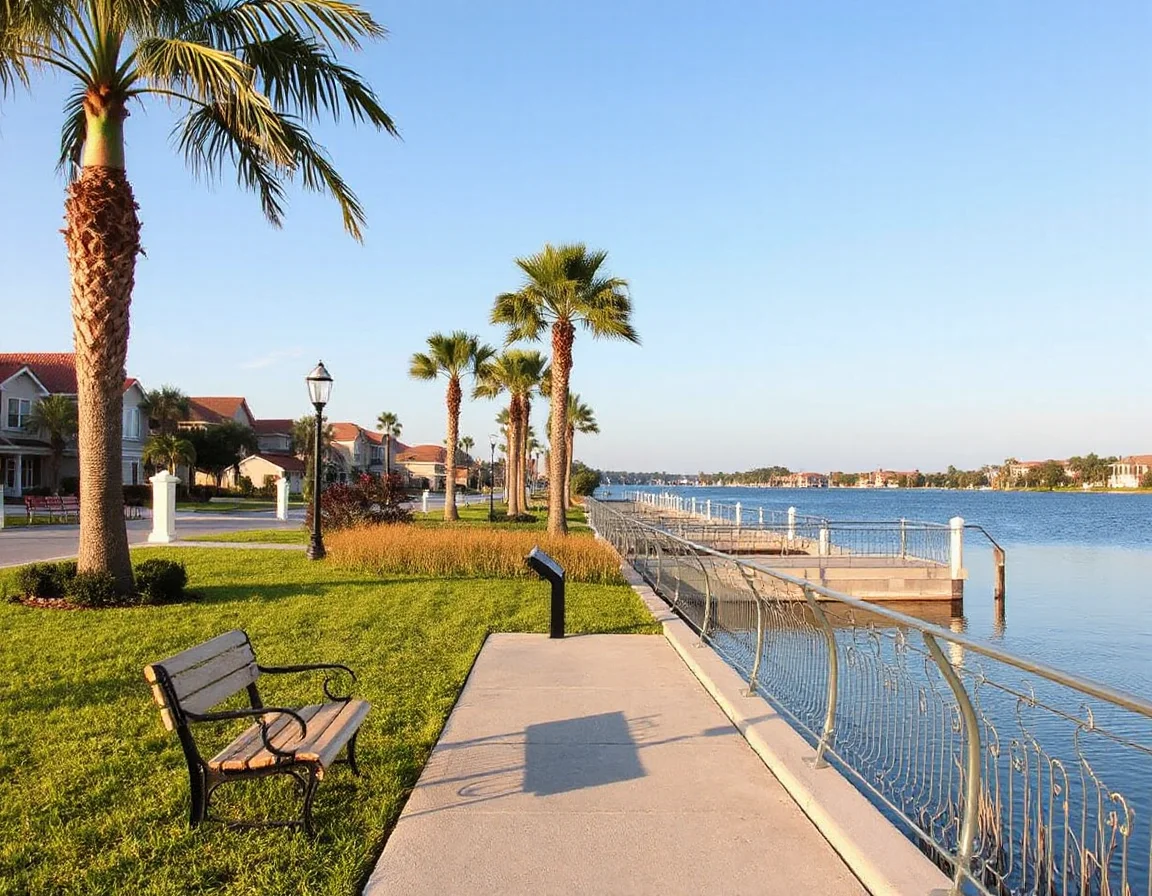
Lakefront homes often appeal to buyers looking for openness and changing light. The surface of the water can reflect sunrise color, passing clouds, and evening skies, creating movement without the structured activity of a course. Many Estero communities include managed lakes as part of their planned landscapes, so it is important to understand whether the water view is a community feature, a conservation area, or part of a broader stormwater-management system. Those details can shape ownership responsibilities, association rules, and the outlook from the home over time.
A lake setting may feel especially inviting for someone who values a visible horizon from indoor gathering spaces or outdoor seating areas. The view is typically most noticeable from rear-facing rooms, where large sliders, covered lanais, and pools can orient daily life toward the water. Depending on the home’s exposure, buyers may also want to visit at different times of day to see how direct sunlight, shade, and reflections affect the space.
When comparing homes with water views, visit once in the morning and once later in the afternoon. The same lanai can feel completely different depending on sun direction, breeze, and the amount of shade provided by the home’s architecture.
Golf views bring a different kind of energy. Fairways, greens, palms, and carefully maintained landscaping create a polished visual setting that can feel open while still having a clear design. The experience varies considerably by lot location: a home near a tee box may have a different activity pattern than one overlooking a fairway, water feature, or green. Before deciding, take time to observe the sightline from the lanai and main rooms, rather than relying only on a listing photo taken from one angle.
For many buyers, a preserve view offers the most natural-looking backdrop of the three. Native vegetation, mature trees, wetlands, and birdlife can create a sense of separation from nearby homes while keeping the landscape connected to Southwest Florida’s subtropical environment. Preserve lots can feel more enclosed than lake or golf lots, but that can be a welcome tradeoff for those who prefer layered greenery over a broad, open vista.
Lakefront Living: Light, Water, and Open Sightlines
Water views tend to make a property feel visually spacious because the eye travels across the lake rather than stopping at a neighboring structure or hedge. That sense of distance can be particularly appealing in communities where homes are positioned relatively close together. A well-planned lakefront lot may offer a compelling balance of neighborhood connection and a more open rear outlook.
There are practical questions to add to the appeal. Ask about association landscaping along the shoreline, the management of aquatic vegetation, irrigation rules, and any restrictions on docks, fencing, or exterior changes. In many planned communities, these items are governed by association documents. Reviewing them early can help a buyer understand exactly what is maintained by the community and what remains the homeowner’s responsibility.
Lakefront homes can also provide a lively but generally tranquil visual experience. Wading birds, turtles, and changing weather are often part of the scene, especially near landscaped lake edges and conservation buffers. Because Florida’s weather can shift quickly, the right screened enclosure, covered outdoor area, and drainage design matter just as much as the view itself. A beautiful outlook is most useful when the exterior space feels comfortable enough to enjoy regularly.
Think about furniture placement before making a decision. If the home’s best water view is visible from a great room, a breakfast nook, or a covered lanai, that view may become a natural part of daily routines. If it can only be seen from one room, consider whether the premium attached to the setting still matches the value it brings to your life at home.
Golf Views: Designed Landscape and Everyday Activity
Golf-course settings offer a landscape shaped around maintained turf, water features, mature palms, and long corridors of green. For buyers who appreciate orderly grounds and an open visual field, this can be an especially attractive combination. The view may feel seasonal in its own way, changing with course maintenance, flowering plantings, and the position of the sun across the fairway.

Not every golf-facing lot has the same feel, however. A rear exposure toward a practice area, cart path, fairway, or green can create very different levels of visible movement. Course layouts also affect privacy. Some homes sit behind ponds, bunkers, or generous landscape buffers, while others are closer to the active playing area. Touring the lot in person is essential because small changes in elevation, planting, and orientation can have a major effect on the experience.
Buyers should also distinguish between living near a course and having access to its amenities. Club membership, dining access, fitness facilities, social programming, and golf privileges may be structured separately from homeownership. Fees, membership categories, waitlists, and transfer rules can change, so current documents and direct confirmation are more reliable than assumptions based on the community name alone.
From a design standpoint, golf views often pair well with homes featuring broad lanais, outdoor kitchens, large glass doors, and pools positioned to take in the landscape. Yet the best lot is not necessarily the widest fairway view. Some people prefer a more angled view that adds greenery and visual depth while reducing direct sightlines into the yard. The right choice depends on whether you prioritize openness, landscaping, privacy, or a blend of all three.
Preserve Views: Green Space and a More Natural Backdrop
Preserve-facing homes offer a different type of visual calm. Instead of a manicured course or reflective lake, the view may include palms, pines, wetland vegetation, native shrubs, and a changing canopy of green. These lots can feel especially removed from the built environment, even within a master-planned community. The visual appeal is often less about one dramatic focal point and more about texture, shade, and the sense of being beside a protected landscape.
That setting deserves thoughtful due diligence. Preserve areas may have protected boundaries, drainage functions, maintenance protocols, or restrictions that limit what can be altered behind the home. Buyers should ask where the property line sits, who maintains the buffer, how vegetation is managed, and whether future pruning or restoration work could affect the view. A survey, association documents, and a careful walk around the lot can clarify what is visible today and what is likely to remain consistent.
A preserve view can offer substantial visual separation, but “preserve” does not automatically mean complete privacy. Check nearby walking paths, neighboring second-story windows, landscape gaps, and seasonal changes in foliage before finalizing a decision.
Preserve homes may also invite a different approach to outdoor design. Neutral furnishings, warm lighting, native plantings, and covered seating can complement the layered vegetation beyond the lanai. In Estero’s warm climate, shade coverage and screening are key considerations for any exterior space, but they can be particularly important when the view is designed around lingering outside and noticing the natural setting.
Compare the View With the Whole Property
Whether you are drawn to water, fairway greens, or native vegetation, the view should be evaluated alongside the home’s floor plan, exposure, condition, community fees, and intended use of the outdoor area. A lakefront setting may offer reflective light and open sightlines. A golf view may provide a polished landscape and visible activity. A preserve view may create texture and a greater sense of separation. Each can be compelling, but each has practical details worth understanding before making an offer.
During a showing, step outside, sit where you would place a chair, and look back toward the house as well as outward from it. Notice the sounds, the sun, the spacing between homes, and the elements you can see from the rooms where you spend the most time. These simple observations often reveal more than a single aerial image or listing description.
Free State Florida Homes can help buyers compare Estero properties with a clear eye toward lot orientation, community rules, and the everyday qualities that make a setting feel right. The goal is not simply to choose a desirable view—it is to choose a home environment that supports the routine you want to build.